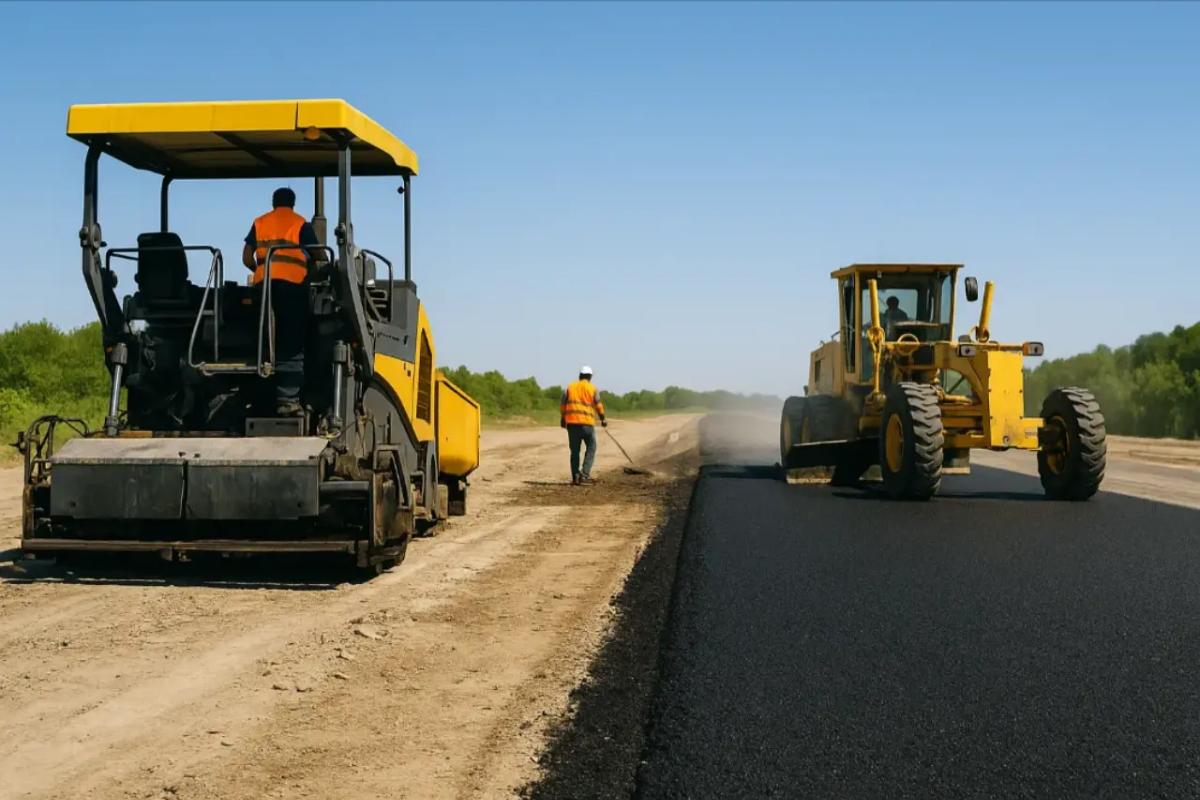
Choosing the right professional for a paving project is a decision with lasting consequences. Many property owners face a common dilemma: should they hire a versatile general handyman or seek out a specialized contractor? When the job involves asphalt—a material with specific engineering and installation requirements—the choice becomes particularly significant. This isn’t just about cost or convenience; it’s about the fundamental difference in expertise, tools, and legal standing between a broad-skilled laborer and a trained paving specialist.
The distinction is especially important in Utah, where climate extremes, from summer heat to winter freeze-thaw cycles, demand asphalt installations that are precise and durable. A driveway, parking lot, or commercial approach is a major investment. Understanding the gap between general handymen and certified professionals helps you protect that investment and avoid costly, premature repairs. This guide breaks down the key areas where their capabilities diverge, from licensing and training to project scope and long-term outcomes.
Scope of Work and Defined Expertise
A general handyman’s business model is built on versatility. They handle a wide array of small to medium-sized repairs and installations, from fixing a leaky faucet and painting a room to assembling furniture or replacing a light fixture. Their skill set is broad but often shallow, covering many trades at a basic level. For a homeowner with a list of disparate small jobs, this can be efficient and cost-effective.
In contrast, a professional asphalt contractor operates in a narrow, deep field of expertise. Their entire business is focused on asphalt and related pavement services. This includes site preparation, grading, compaction, asphalt mix selection, installation (using heavy machinery like pavers and rollers), sealing, and repair. Their knowledge is technical, encompassing soil composition, drainage planning, and the specific aggregate and binder blends used in modern asphalt mixes. When you hire Utah asphalt paving contractors, you are paying for this concentrated, industry-specific knowledge.
The Limitations of a “Jack-of-All-Trades” Approach
Asphalt work is not simply a matter of spreading a black, tar-like material. A handyman may attempt a small patch or sealcoat, but they lack the training for larger installations. Critical errors are common when this line is crossed: improper substrate compaction leads to settling and cracks within months; incorrect mix temperature during application results in poor bonding and rapid deterioration; and inadequate slope or drainage causes water pooling and accelerated damage. The handyman’s goal is to complete the visible task, while the certified contractor’s goal is to engineer a pavement system that performs for years.
Licensing, Insurance, and Legal Compliance
This is perhaps the most critical differentiator with substantial financial and legal implications.
General Handymen: In Utah, the regulations for handymen are less stringent. They may operate under a business license but often are not required to hold a specific contractor’s license for general repair work below a certain dollar value. Their insurance coverage might be a general liability policy, which could have exclusions for major earthwork or paving operations. If an accident occurs or the work fails, you may find coverage gaps that leave you liable.
Certified Asphalt Contractors: Legitimate asphalt paving companies must hold a state-issued contractor’s license, which requires passing exams, proving financial stability, and demonstrating experience. They carry comprehensive insurance, including workers’ compensation and commercial auto liability, specifically tailored for high-risk construction activities. This licensure is your primary protection. It ensures the contractor is recognized by the state as competent and financially responsible, offering you recourse if something goes wrong.
The Warranty and Guarantee Divide
A handyman’s work typically comes with little to no formal warranty. The agreement is often verbal or via a simple invoice. If the asphalt fails, you have limited leverage. Certified contractors, however, usually provide written warranties on their workmanship and sometimes on materials. This warranty is backed by the company’s bonding and reputation. It’s a formal commitment to the quality and longevity of the installation, translating your payment into a secured, long-term asset.
Equipment, Materials, and Project Scale
The physical execution of an asphalt project highlights another stark contrast.
Tools of the Trade: A handyman arrives with a truck filled with hand tools, ladders, and perhaps a small trailer. For asphalt, they might rent a small roller or rely on manual tamping. A professional asphalt crew arrives with a fleet: dump trucks, skid-steers, mechanical compactors, asphalt pavers, and infrared heaters for repairs. This industrial-grade equipment is essential for proper installation. Proper compaction, for instance, requires thousands of pounds of force, impossible to achieve with rented or small tools.
Access to Materials: Handymen typically purchase materials from retail outlets. For asphalt, this means buying bagged cold-patch mix or consumer-grade sealant. Certified contractors source hot-mix asphalt directly from batch plants, ensuring the material is fresh, delivered at the correct temperature (often 275°F or higher), and formulated with the right aggregate composition for your specific use and Utah’s climate. This access to commercial-grade materials is a fundamental advantage.
Cost Analysis: Short-Term Savings vs. Long-Term Value
It’s true that a handyman’s initial bid for a paving job will almost always be lower than that of a certified contractor. This upfront savings is the primary temptation. However, this is a classic case of false economy.
The lower price reflects lower overhead: no costs for specialized equipment maintenance, commercial insurance premiums, or licensed staff. It also reflects a different standard of work. The certified contractor’s quote includes the cost of engineering, proper site preparation, quality materials, skilled labor, and warranty administration. What you are really comparing is not just two prices, but two completely different products: a temporary fix versus a permanent installation.
Investing in professional asphalt services Utah residents trust prevents recurring expenses. A driveway installed by a certified contractor with a proper base and compaction can last 15-20 years with basic maintenance. One installed incorrectly may show major cracks, potholes, and drainage issues within 2-3 years, requiring a full, costly replacement far sooner than expected. The total cost of ownership favors the professional investment.
When to Call a Handyman vs. a Certified Contractor
Making the right call protects your property and your wallet.
Call a General Handyman For:
● Minor, cosmetic cracks in existing asphalt (under ¼ inch wide).
● Applying consumer-grade sealant to a sound, professionally installed driveway.
● Cleaning and sweeping pavement surfaces.
● Related small jobs like installing driveway markers or repairing a fence adjacent to the pavement.
Always Call a Certified Asphalt Contractor For:
● Any new asphalt installation (driveway, parking lot, walkway).
● Paving repairs involving potholes, alligator cracking, or issues larger than a few square feet.
● Problems related to the base or subgrade, like sinking or heaving sections.
● Projects requiring excavation, significant grading, or drainage solutions.
● Any commercial or municipal paving work.
Frequently Asked Questions
Can a handyman legally pave a driveway in Utah?
It depends on the project’s scope and value. Utah law often requires a specialty contractor’s license for major paving projects. While a handyman might legally perform very minor patching, any significant installation or repair likely falls outside their legal scope of work, risking code violations and invalidating any required permits.
What questions should I ask to verify a contractor is certified?
Ask for their Utah contractor license number and verify it online with the state. Request certificates of insurance for both liability and workers’ compensation. Inquire about their membership in industry associations like the Utah Asphalt Pavement Association. Finally, ask for references and examples of similar projects completed in the last year.
Why is proper base preparation so important for asphalt?
The asphalt surface is only as strong as the base beneath it. A certified contractor will excavate, grade, and compact a stable base of aggregate material to precise specifications. This base distributes weight, prevents settling, and ensures drainage. Skipping or shortening this step—a common handyman error—is the leading cause of premature pavement failure.
How does the Utah climate affect asphalt paving?
Utah’s temperature swings and freeze-thaw cycles are brutal on pavement. Water seeps into cracks, freezes, expands, and thaws, rapidly widening cracks and breaking apart the base. Professional contractors use specific asphalt mixes designed for thermal stress, ensure precise slope for water runoff, and install adequate compaction to create a water-resistant surface that can withstand these cycles.
Do certified contractors offer financing for paving projects?
Many established asphalt paving companies do offer financing options or work with third-party lenders. This allows for the cost of a quality installation to be managed over time, making it more accessible than paying a large sum upfront to a handyman for a substandard result.
What is the typical warranty period for professional asphalt work?
Warranties vary by contractor and project scope. A standard workmanship warranty for a new residential driveway installation often ranges from 1 to 5 years. Some contractors offer longer warranties on specific aspects like the base. Always get the warranty terms in writing before work begins.
Conclusion
The difference between hiring a general handyman and a certified asphalt paving contractor is profound. It extends beyond a simple comparison of skill sets to encompass legal standing, quality of materials, scale of equipment, and ultimately, the longevity of your pavement. A handyman offers a solution for small, superficial fixes, while a certified professional provides an engineered, durable asset built to specification.
For any project involving the installation or significant repair of asphalt in Utah, the data and experience are clear. The initial higher investment in a licensed, insured, and specialized contractor safeguards against the far greater costs of early failure, liability issues, and complete re-dos. Your pavement is a critical part of your property’s infrastructure and curb appeal. Ensuring it is built correctly from the ground up is not an extravagance; it is a necessary standard for protecting your investment.