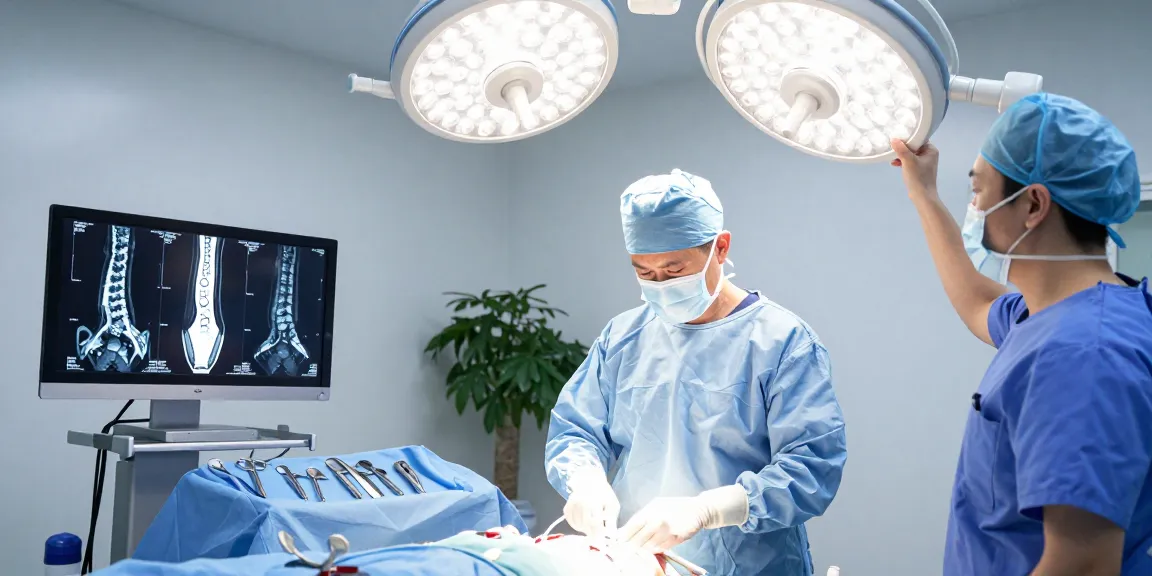
Understanding Boyun fıtığı Ameliyatı
Boyun fıtığı ameliyatı, sık görülen bir durum olan boyun omurlarında meydana gelen disk kaymalarını düzeltmek için yapılan cerrahi müdahalelerdir. Bu durum, omurilik ve sinir kökleri üzerinde baskı oluşturabilir, bu da ağrı, uyuşma ve güçsüzlük gibi belirtilere yol açar. Boyun fıtığı ameliyatı, genellikle diğer tedavi yöntemlerinin başarısız olduğu durumlarda tercih edilir. Bu yazıda, bu ameliyatın ne olduğu, belirtileri, tanı süreçleri, cerrahi teknikleri ve iyileşme sürecine dair kapsamlı bilgiler sunulacaktır. Özellikle, Boyun fıtığı ameliyatı ile ilgili bilgi sahibi olmak, bu süreçte bilinçli kararlar almanıza yardımcı olacaktır.
What is a Cervical Disc Herniation?
A cervical disc herniation occurs when the soft inner gel of the cervical disc slips out or bulges through the outer layer of the disc. This can press on nearby nerves and lead to pain or discomfort. Commonly resulting from age-related wear and tear or acute injuries, a herniated disc may present varying symptoms depending on the severity and location of the herniation. Patients often experience chronic neck pain, which can radiate to the shoulders, arms, or hands, causing significant distress in daily life.
Signs and Symptoms Leading to Surgery
The signs and symptoms indicating the need for surgery often become more pronounced over time. Patients may initially experience mild discomfort, which can escalate to severe pain, numbness, or tingling sensations in the arm or hand. Other symptoms might include muscle weakness or a reduced range of motion in the neck. In severe cases, patients might also experience difficulty with coordination or balance, warranting surgical intervention to alleviate pressure on the spinal cord or nerve roots.
Diagnosing the Condition: Tests and Imaging
Diagnosing a cervical disc herniation typically involves a thorough physical examination followed by imaging tests. Magnetic Resonance Imaging (MRI) is the gold standard for assessing soft tissue structures, allowing physicians to evaluate the extent of the disc herniation and its impact on adjacent nerves. Additionally, X-rays may be used to rule out other conditions such as fractures or arthritis. Electromyography (EMG) and nerve conduction studies can also help assess nerve function and determine the severity of the injury.
Preparing for Boyun fıtığı Ameliyatı
Before undergoing boyun fıtığı ameliyatı, patients should engage in pre-surgical consultations and assessments. These steps ensure that candidates for surgery are fully informed and prepared for the procedure. Moreover, understanding the surgical process can significantly reduce anxiety and aid in recovery.
Pre-surgical Consultations and Assessments
During the pre-surgical phase, patients meet with their surgeon to discuss the procedure, expected outcomes, and risks. Comprehensive assessments often include thorough medical history reviews and evaluations to establish whether the patient has any pre-existing conditions that may complicate the surgery. This stage is crucial for building a personalized surgical plan that best suits the patient's needs.
How to Prepare Physically and Mentally
Physical preparation for surgery may include specific exercises to enhance neck strength and flexibility. Mentally, patients should seek to understand the procedure thoroughly, engaging in relaxation techniques such as deep breathing or mindfulness to alleviate anxiety. Support from family or friends can also play a critical role during this period, ensuring emotional readiness for the upcoming surgery.
Understanding the Surgical Procedure
The surgical procedure for a cervical disc herniation typically involves either an anterior cervical discectomy or fusion. During this operation, the surgeon removes the damaged disc and may fuse the surrounding vertebrae for added stability. Understanding the nuances of the surgical approach can help patients anticipate their post-operative recovery process.
The Surgical Process of Boyun fıtığı Ameliyatı
The surgical process for boyun fıtığı ameliyatı consists of several critical steps that ensure the safety and effectiveness of the operation. An understanding of these steps can help demystify the experience for patients.
Step-by-Step Breakdown of the Surgery
The procedure begins with the administration of general anesthesia to ensure the patient remains fully unconscious and pain-free during the surgery. The surgeon then makes an incision in the front of the neck to access the cervical spine. Careful dissection of surrounding tissues allows the surgeon to reach the affected area without significant irritation to nearby structures. Once the damaged disc is identified, it is removed, and the surrounding vertebrae may be fused using grafts or metallic implants, ensuring stability in the cervical region.
Typical Duration and Recovery Timeline
Typically, the surgery lasts between one to three hours, depending on the complexity of the case. Recovery in the hospital can range from one to three days, depending on the patient’s overall health and the surgery's complexity. Patients are usually encouraged to start gentle movements and mobility exercises shortly after surgery to reduce stiffness and promote healing.
Risks and Complications to Consider
As with any surgical procedure, there are potential risks involved in boyun fıtığı ameliyatı. These may include infection, bleeding, nerve damage, or complications related to anesthesia. Additionally, the possibility of persistent pain or the recurrence of herniation exists. Discussing these risks with the surgical team is vital to set realistic expectations and ensure informed consent.
Post-operative Care and Recovery
The post-operative phase is essential for recovery, as it involves careful monitoring of the patient's condition and adherence to rehabilitation guidelines. Understanding what to expect during this time can greatly enhance recovery outcomes.
What to Expect After the Surgery
Post-surgery, patients can expect some discomfort or pain in the surgical area, which can be managed with prescribed medications. Patients may also experience swelling or stiffness, particularly during the first few days post-operation. Regular follow-up appointments will be essential to monitor healing and make any necessary adjustments to the rehabilitation plan.
Key Recovery Strategies for Success
Successful recovery strategies may include engaging in physical therapy as recommended by the healthcare provider to strengthen the neck and improve flexibility. Incorporating gentle exercises and adhering to prescribed rehabilitation routines can significantly enhance healing. Furthermore, maintaining a balanced diet rich in protein, vitamins, and minerals is crucial for tissue repair and overall health.
Follow-up Appointments and Rehabilitation
Regular follow-up appointments are essential for monitoring recovery progress and addressing any concerns. Rehabilitation typically includes physical therapy focusing on mobility, strength, and ergonomic education to prevent future injuries. Patients should actively engage in these sessions to foster a swift and effective recovery.
The Future of Boyun fıtığı Ameliyatı
Advancements in technology and surgical techniques continue to shape the landscape of boyun fıtığı ameliyatı. Understanding these trends is essential for patients and healthcare providers alike.
Technological Advancements in Surgery
Innovations such as minimally invasive surgical techniques and robotic-assisted surgeries are becoming increasingly common. These technologies result in reduced recovery times, less post-operative pain, and fewer complications than traditional open surgeries. Furthermore, enhanced imaging techniques allow for more precise interventions, significantly improving surgical outcomes.
Prognosis and Long-term Outcomes
The long-term prognosis for patients undergoing boyun fıtığı ameliyatı is generally favorable. Many patients experience significant alleviation from their initial symptoms, enabling them to return to regular activities, including work and hobbies. Ongoing research continues to refine treatment protocols to enhance the quality of care and improve patient outcomes further.
Emerging Trends in Treatment and Recovery
Emerging trends in the treatment of cervical disc herniation include the exploration of regenerative medicine techniques, such as stem cell therapy, which may provide additional avenues for recovery without invasive surgery. Patients should remain informed about these advancements, as they can play a significant role in shaping future treatment options.
What are the risks of Boyun fıtığı ameliyatı?
The risks associated with boyun fıtığı ameliyatı can include those associated with general anesthesia as well as specific complications related to the surgical procedure itself, including infection, bleeding, and nerve damage.
How long is the recovery period for Boyun fıtığı ameliyatı?
Recovery time following boyun fıtığı ameliyatı can vary but generally ranges from a few weeks to several months. Adherence to your rehabilitation plan and lifestyle modifications can influence recovery speed and success.
What alternative treatments exist for a herniated disc?
Before considering surgery, alternative treatments for a herniated disc may include physical therapy, chiropractic care, acupuncture, and pain management through medications or injections.
How does one prepare for the surgery mentally?
Preparing for surgery requires mental readiness, which can involve educating oneself about the procedure, discussing concerns with healthcare providers, and engaging in relaxation techniques to manage anxiety.
What are common misconceptions about Boyun fıtığı ameliyatı?
Common misconceptions about boyun fıtığı ameliyatı include beliefs that surgery is always necessary or that recovery will be quick and easy; in fact, recovery can be a gradual process requiring commitment to rehabilitation.. Additionally, Boyun fıtığı ameliyatı provides further details.