Retail robots can scan shelves, move stock, or guide a shopper without looking like a science-fiction prop. The harder question is where those tasks save enough staff time to cover the robot, its software, and the work needed to keep it running.
- Shelf-scanning robots can record gaps and price errors with cameras.
- Mobile robots can move stock between the back room and sales floor.
- Customer-facing robots still need clear limits around safety and privacy.
The first useful jobs are narrow
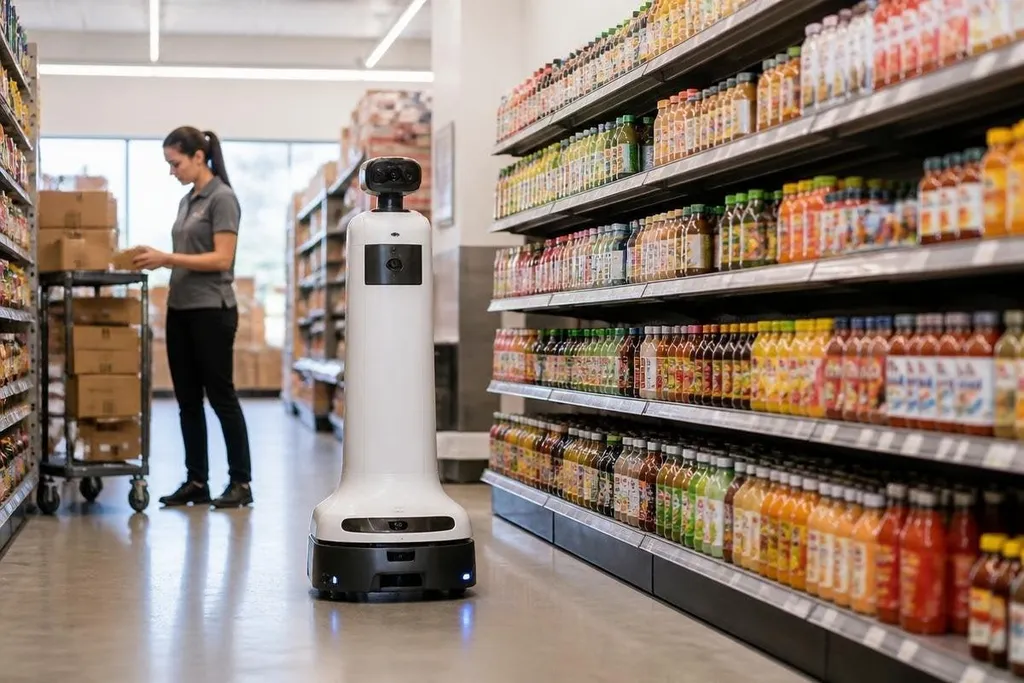
Retail stores already contain repeated work. A robot can follow a set route, scan shelf labels, record missing items, and send the results to a stock system. That gives staff a list to check instead of asking them to inspect every aisle by hand.
The robot may use cameras, barcode readers, or LiDAR. LiDAR measures distance with light pulses, helping the robot build a map and avoid people, shelves, and carts. The exact sensor mix matters because poor lighting, reflective packaging, and blocked aisles can reduce the quality of its records.
Moving goods is another clear task. A mobile robot can carry bins from a stockroom to a pickup area or bring items to a worker at a fixed station. The store still needs a safe route, charging space, and a person who handles exceptions when an item is missing or the path is blocked.
What changes for store staff
The useful change is a shift in work, not the removal of every retail job. Staff may spend less time walking aisles for stock checks and more time fixing shelf gaps, helping shoppers, or handling returns.
That shift only works if the robot sends information in a form staff can act on. A report that says “aisle 4 needs attention” is less useful than one that names the shelf, item, and time of the scan. Retail software also needs a way to mark a task complete, so the robot does not report the same gap on its next route.
A store manager needs more than a trial video before putting a robot on a daily route. Robot24.com can connect the machine to its task, test site, date, and result, so you can judge whether it fits a working store. That record matters once shoppers and staff share the floor with the robot.
The hard parts are inside the store
Stores are poor places for a fixed script. Customers change direction, children move into a robot’s path, boxes sit in aisles, and displays change during the day. The robot must stop safely, wait, and find a route around the new obstacle.
Privacy also needs a clear rule. Cameras that read shelf labels may also see faces, employees, or shoppers. The retailer should state what the robot records, how long it keeps the data, and who can access it. Those details belong in the project plan, not in a notice added after installation.
The business case has a similar limit. A robot that completes one scan each night may help a large store with frequent stock errors, but it may add work in a small shop.
The cost includes hardware, software access, charging, repairs, staff training, and time spent moving obstacles from its route.
What has not been shown yet
A demonstration can show a robot moving through a clean aisle. It does not prove that the same robot can work through a full trading day, recover from blocked routes, and produce records that staff can trust.
The missing proof is repeated store data. Buyers need results from normal hours, different floor layouts, busy periods, lighting changes, and several weeks of operation. They also need the error rate: how often the robot misses an item, flags stock that is present, or stops for help.
I'd start with shelf scanning or back-room transport before putting a robot in charge of customer conversations. Those jobs have clear outputs, so a store can check the result against its existing stock records.
A store buyer's checklist
Use these points before approving a trial:
- Choose one task: name the route, item type, and expected result.
- Set a human fallback: decide who handles blocked paths, bad scans, and damaged goods.
- Measure the old process: record staff time and error rates before the robot arrives.
- Check the data rule: confirm what cameras record, where it is stored, and when it is deleted.
- Price the full setup: include charging, software, repairs, training, and changes to the store floor.
- Set a stop point: end the trial if the robot needs more staff time than the task saves.
The robot earns its place when it produces records or moves goods with less total work than the current process. Until buyers see that result across ordinary trading days, the safe purchase is a narrow trial with a measured exit date.