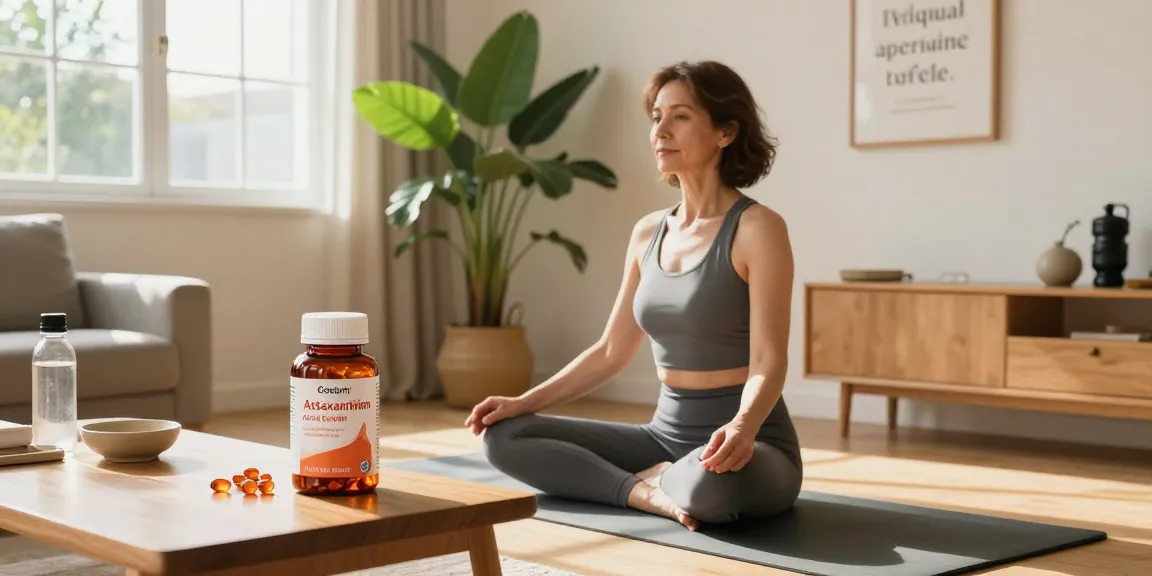
Introduction to Astaxanthin
What is Astaxanthin?
Astaxanthin is a remarkable carotenoid pigment with a vibrant red-orange hue, primarily found in marine organisms such as shrimp, crab, and salmon. It derives its coloring from the same family of compounds that give carrots their orange color. As a powerful antioxidant, astaxanthin possesses unique properties that have garnered attention in both nutritional and medical research. It is often hailed for its potential benefits in enhancing health and wellness, particularly due to its ability to combat oxidative stress and inflammation.
Health Benefits of Astaxanthin
The health benefits of astaxanthin are widely researched and documented. Among them, its potent antioxidant capabilities stand out, making it effective in neutralizing harmful free radicals in the body. Studies suggest that astaxanthin may enhance skin health by protecting against sun damage and improving skin elasticity. Additionally, it has been linked to improved cardiovascular health by reducing inflammation and lowering cholesterol levels.
Astaxanthin may also boost athletic performance and endurance by reducing muscle fatigue and improving recovery times. Other health benefits associated with its consumption include enhanced eye health, cognitive function, and immune system support. Overall, while more research is needed to fully understand its benefits, the available evidence paints a promising picture of astaxanthin as a potent ally for health.
Common Sources of Astaxanthin
Astaxanthin is predominantly found in marine life but can also be synthesized. Natural sources include:
- Salmon
- Trout
- Shrimp
- Crab
- Microalgae, specifically Haematococcus pluvialis
For those unable to obtain sufficient astaxanthin from dietary sources, supplements are widely available in various forms, such as softgels and powders. Choosing high-quality, bioavailable forms is critical to gaining the full benefits of this antioxidant.
Can You Take Astaxanthin Daily?
Recommended Dosage Guidelines
When considering the query can you take astaxanthin daily, it's essential to look at established dosage guidelines. Studies indicate that a daily dosage of 4 to 12 mg of astaxanthin is typically considered safe and effective for health benefits. For those seeking specific health outcomes, such as athletic performance enhancement or skin health improvement, the higher end of this range may be advisable.
It is important to note that individual responses may vary. Factors such as age, weight, health status, and even dietary habits can influence the appropriate dosage. As with any supplement, starting with a lower dose and gradually increasing it can help assess tolerance.
Potential Side Effects of Daily Intake
Astaxanthin is generally viewed as safe when consumed within the recommended dosage ranges. However, individuals may experience some side effects, which can include:
- Allergic reactions, particularly in those allergic to seafood
- Gastrointestinal disturbances, such as stomach cramps or nausea
- Changes in skin coloration with excessive doses, leading to a yellow-orange tint
Monitoring how your body reacts to astaxanthin is crucial. If you notice any adverse effects, it's best to reduce the dosage or discontinue use altogether.
Consulting with Healthcare Professionals
Before incorporating astaxanthin into your daily regimen, consulting with a healthcare professional is highly recommended, especially if you have pre-existing health conditions or are taking medications. A healthcare provider can guide you on the appropriate dosage and discuss how astaxanthin may interact with other supplements or treatments you are currently using. This conversation is particularly important for pregnant or breastfeeding women, as well as individuals with compromised health.
Enhancing Daily Health with Astaxanthin
Integrating Astaxanthin into Your Routine
Incorporating astaxanthin into your daily routine can be simple and effective. If using supplements, aim for a time that works best for your schedule, such as with breakfast or a smoothie, to align with meal times. Additionally, combining astaxanthin-rich foods, such as salmon or algae, into your meals can help with bioavailability, as dietary fats enhance astaxanthin's absorption in the body.
Maintaining consistency is key. Including astaxanthin as part of your daily health rituals can maximize its potential benefits over time.
Pairing Astaxanthin with Other Supplements
For those who wish to amplify the health benefits, astaxanthin can be effectively paired with other supplements. Complementary nutrients include vitamin E, omega-3 fatty acids, and curcumin, all known for their anti-inflammatory and antioxidant properties. This synergistic approach may enhance your overall health and well-being. However, be cautious about potential interactions and consider consulting with a healthcare provider to design a balanced supplement regime.
Dietary Changes to Boost Efficacy
To enhance the effects of astaxanthin, consider modifying your diet. A lifestyle that emphasizes whole foods, incorporating fruits, vegetables, and healthy fats, supports the antioxidant action of astaxanthin. Foods rich in omega-3 fatty acids, such as flaxseeds and walnuts, and those high in antioxidants, like berries and green leafy vegetables, can create a favorable environment for astaxanthin to flourish. Staying hydrated and maintaining an active lifestyle are essential elements for maximizing the benefits of this powerful nutrient.
Research and Studies on Astaxanthin
Recent Findings on Daily Use
Current research on astaxanthin suggests its effective role in maintaining human health when taken daily. Various studies indicate improvements in oxidative stress markers in individuals who consume astaxanthin supplements regularly. A study focusing on skin health found that individuals taking astaxanthin exhibited enhanced skin elasticity and moisture retention compared to a placebo group.
Further studies have indicated that astaxanthin may improve endurance in athletes, reducing muscle soreness and enhancing recovery time. These findings highlight astaxanthin's potential for both preventative health and performance optimization.
Comparative Studies with Other Antioxidants
Astaxanthin has been compared with other well-known antioxidants, such as vitamin C and E, in various clinical studies. Its unique molecular structure allows it to be more effective at neutralizing free radicals and protecting cell membranes than some other antioxidants. For instance, astaxanthin is said to be significantly more potent than vitamin E, making it a prime candidate for those seeking to enhance their antioxidant support. These comparative studies bolster the argument for considering astaxanthin as a foundational element in antioxidant supplementation strategies.
Future Research Directions
As the body of research on astaxanthin continues to grow, future studies are expected to explore more specific applications of this powerful antioxidant. Areas of focus may include its effects on chronic diseases, mental health, and anti-aging properties. Understanding the full scope of astaxanthin's potential will allow for more informed recommendations related to daily use and dosage. With ongoing studies, it's likely that the future holds many exciting discoveries regarding astaxanthin and its health benefits.
FAQs about Astaxanthin Intake
Is it safe to take astaxanthin daily?
Yes, astaxanthin is generally safe for daily consumption when taken within recommended doses of 4 to 12 mg. Always consult with a healthcare provider for personalized advice.
Can I take astaxanthin with other medications?
Astaxanthin may interact with certain medications. It's important to consult a healthcare professional if you're on medication to ensure safety and efficacy.
What are the side effects of astaxanthin?
Potential side effects can include allergies, gastrointestinal discomfort, and skin discoloration when taken in excessive amounts. Monitor your body's response to astaxanthin.
How long does it take to see benefits from astaxanthin?
Benefits can typically start to be noticed within two weeks of consistent use. Individual results may vary based on dosage and health conditions.
Can astaxanthin help with skin health?
Yes, astaxanthin has been linked to improved skin health, including enhanced elasticity and protection against UV damage, making it a valuable addition to skin care regimens.