Understanding Mini Split 18000 BTU Systems
When it comes to cooling and heating your home, an mini split 18000 btu system is an efficient and versatile option. These units deliver a considerable amount of power while taking up minimal space, making them ideal for a variety of residential and commercial applications. Understanding how they work and what benefits they provide can help you make informed decisions when it comes to your heating and cooling needs.
What is a Mini Split 18000 BTU Unit?
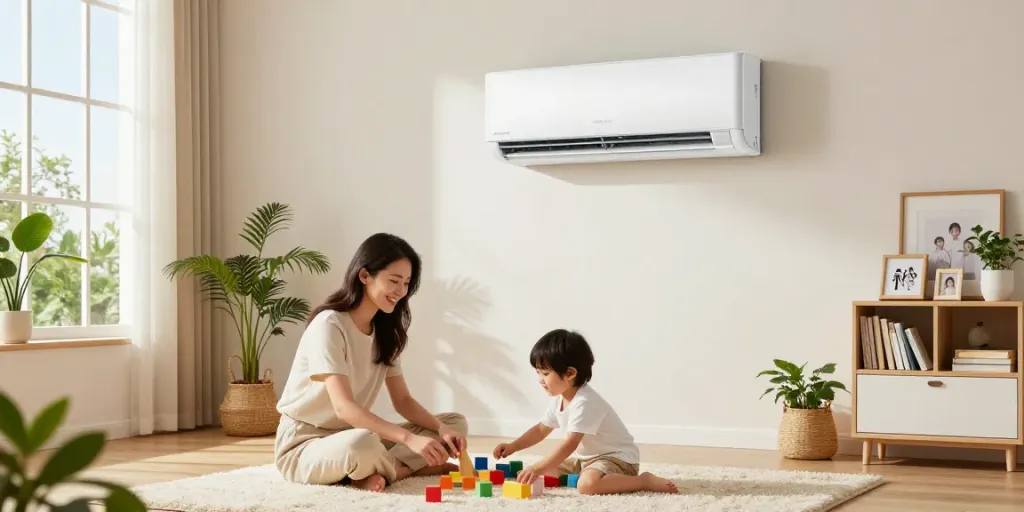
A mini split 18000 BTU unit is a type of ductless air conditioning system that can provide both heating and cooling to spaces ranging from 550 to 1,000 square feet. They consist of two main components: an indoor unit that distributes air throughout the room, and an outdoor unit that houses the compressor and condenser. These systems utilize advanced inverter technology to adjust cooling and heating output to meet the specific demands of the environment, providing both comfort and energy efficiency.
Benefits of 18000 BTU Mini Split Systems
- Energy Efficiency: Mini split systems are known for their high energy efficiency ratings, often achieving SEER ratings above 20, which can lead to significant savings on energy bills.
- Flexible Installation: Being ductless, mini splits can be installed in a wide variety of settings, including homes without ductwork and newly constructed buildings.
- Zone Control: With mini splits, homeowners can tailor the heating and cooling of individual rooms, enhancing overall comfort and reducing energy waste.
- Quiet Operation: Mini split systems operate at low noise levels compared to traditional HVAC systems, making them ideal for bedrooms, offices, and quiet living spaces.
Installation Best Practices for Mini Split 18000 BTU
Choosing the Right Location for Installation
When installing a mini split 18000 BTU unit, select a location that allows for optimal airflow and accessibility. The indoor unit should be placed high on the wall to facilitate even air distribution, while the outdoor unit requires proper ventilation to function effectively. Avoid locations with excessive sun exposure or obstructions that could impede airflow.
DIY vs Professional Installation: Pros and Cons
Although some homeowners may consider a DIY installation to save costs, hiring a professional can ensure your system operates efficiently and complies with local codes. A professional installer will have the expertise to make necessary adjustments and can often complete the installation faster than an inexperienced homeowner.
Common Installation Mistakes to Avoid
It's crucial to avoid common pitfalls during installation, such as placing the outdoor unit too close to obstructions, failing to properly insulate refrigerant lines, and neglecting to level the indoor unit. These mistakes can lead to inefficiencies and costly repairs down the line.
Enhancing Efficiency of Your Mini Split 18000 BTU
Regular Maintenance Tips for Optimal Performance
To maintain the efficiency of a mini split system, regular maintenance is essential. This includes cleaning or replacing filters monthly, ensuring that outdoor units are free of dirt and debris, and scheduling professional inspections at least once a year. A well-maintained system can operate efficiently and last for many years.
Advanced Features That Improve Energy Efficiency
Many modern mini splits come equipped with advanced features such as programmable thermostats, Wi-Fi connectivity, and variable speed compressors. These features allow users to optimize energy consumption based on their habits and preferences, reducing waste.
How to Optimize Settings for Different Seasons
To maximize comfort and efficiency year-round, adjust the settings on your mini split according to the season. In summer, set the system to cool at a comfortable temperature and use fans to circulate air. In winter, utilize the heating mode to maintain warmth while ensuring that the indoor unit is not obstructed by furniture or decorations.
Mini Split 18000 BTU vs Other Cooling Solutions
Comparing Mini Split to Central Air Conditioning
Mini splits differ significantly from central air conditioning systems in that they do not require ductwork, offering a solution for homes that lack existing ducts. Central AC systems tend to cool the entire home uniformly, while mini splits provide tailored cooling and heating in specific zones. This flexibility can lead to better energy savings and comfort based on individual needs.
Why Choose a Ductless System?
Ductless systems like mini splits can help homeowners save on installation costs and reduce energy losses associated with ductwork. Since mini splits operate on a zoning principle, they enable users to cool or heat only the areas that are in use, thus maximizing energy efficiency.
Cost Analysis: Short-Term vs Long-Term Savings
While the initial investment of a mini split 18000 BTU system may be higher than that of traditional systems, the long-term savings in energy bills and maintenance costs often outweigh the upfront expense. Additionally, many utility companies provide incentives for installing energy-efficient systems, further enhancing the financial benefits.
Future Trends in Mini Split Technology for 2026 and Beyond
Emerging Features in 18000 BTU Mini Splits
As technology advances, mini splits are expected to incorporate even more energy-efficient features, such as enhanced smart home integration and improved refrigerant technologies that reduce environmental impact. These advancements will not only contribute to energy savings but also support global sustainability efforts.
Predicted Changes in Energy Efficiency Standards
In response to climate change and the need for greener technologies, energy efficiency standards for HVAC systems, including mini splits, are expected to become more stringent. Manufacturers will likely innovate to meet these standards, resulting in units that are even more efficient than today's models.
Innovative Designs and Smart Home Integration
Looking ahead, mini splits are set to feature more innovative designs, including sleek, modern aesthetics that blend seamlessly with home decor. Additionally, greater integration with smart home technologies will allow homeowners to control their systems remotely, leading to increased convenience and energy management.